
Should You Paint Your Home's Interior During Winter in Maine?
Discover why winter can be a great time for interior painting in Southern Maine, plus what homeowners should know about drying times, ventilation, and getting professional results.
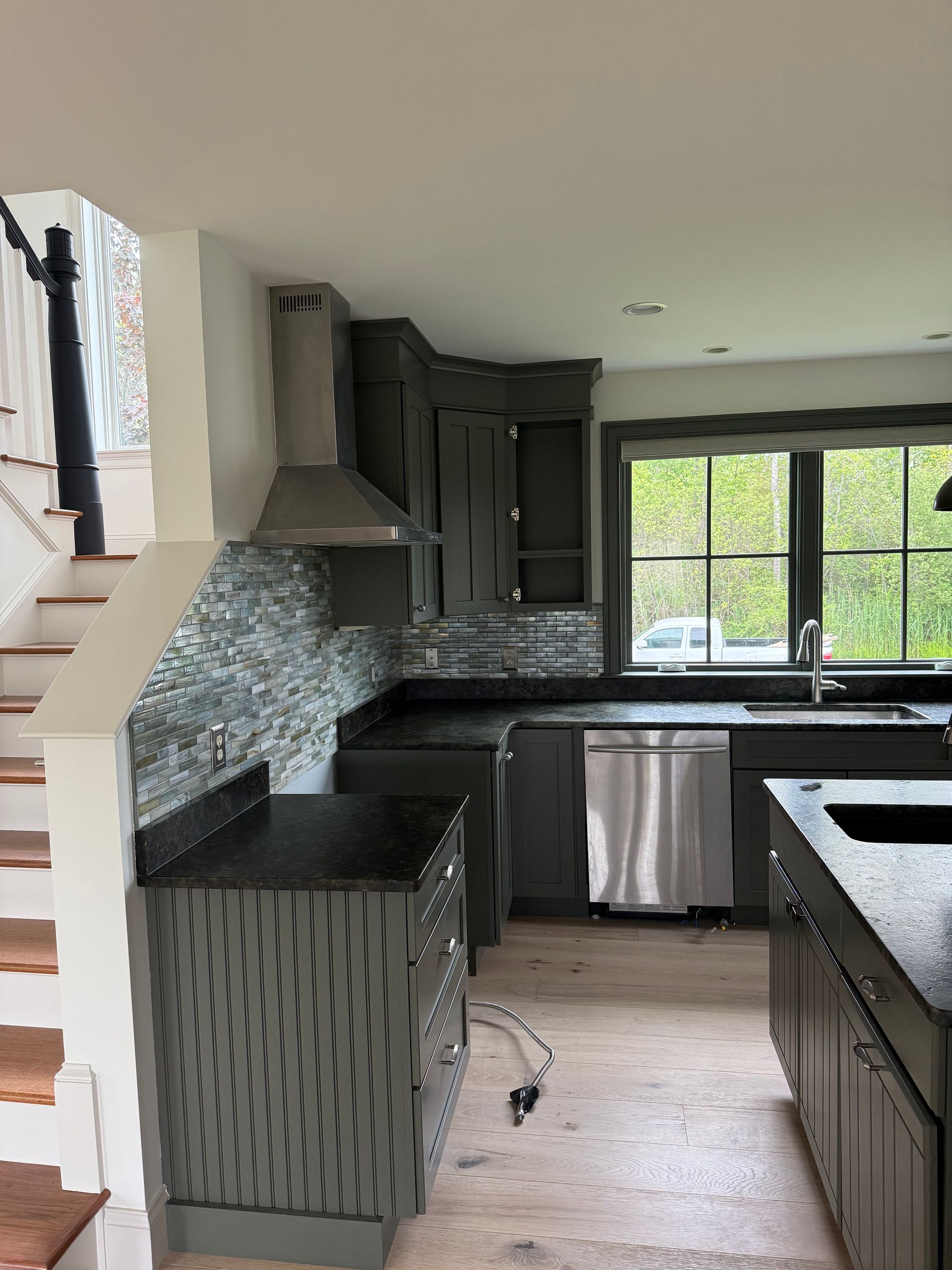
When winter arrives in Southern Maine, most homeowners put painting projects on hold until spring. With freezing temperatures, snow-covered yards, and shorter days, it's easy to assume that painting should wait for warmer weather.
But here's something many homeowners don't realize: Winter can be an excellent time to paint the interior of your home.
Unlike exterior painting, which depends heavily on outdoor weather conditions, interior painting takes place in a controlled environment. With proper preparation, suitable indoor temperatures, and good ventilation, professional painters can deliver beautiful, lasting results throughout the winter months.
Whether you live in Sanford, Wells, Kennebunk, Biddeford, or elsewhere in Southern Maine, here's what you should know before scheduling an interior painting project this winter.
Can You Paint Indoors During Winter in Maine?
Yes, you can paint the interior of your home during a Maine winter. In fact, professional interior painting can be completed successfully year-round when indoor conditions are appropriate.
The most important factors are:
- Indoor temperature: Paint needs to be applied and dried within the temperature range recommended by its manufacturer. Many interior latex paints perform best when rooms and surfaces are comfortably warm.
- Humidity: Excessive moisture can slow drying, while extremely dry indoor air can affect how quickly paint sets.
- Ventilation: Fresh-air circulation helps manage paint odors and indoor air quality.
- Surface preparation: Walls, trim, and ceilings must be clean, dry, and properly prepared before painting.
Professional painters consider these conditions before beginning work and throughout the project.
If you're thinking about updating your home this season, our professional interior painting services in Southern Maine can help you plan a project that fits your schedule.
5 Benefits of Painting Your Home's Interior During Winter
You Don't Have to Wait Until Spring
Winter is a great opportunity to tackle projects that might otherwise be postponed.
By painting your living room, bedrooms, hallways, or kitchen during the colder months, you can enjoy the finished results before spring arrives.
You'll also have more time for outdoor home improvements once warmer weather returns.
Winter Is a Good Time to Refresh Indoor Spaces
Southern Maine homeowners spend more time indoors during winter. That makes this season a natural opportunity to improve the rooms you use every day.
A fresh coat of paint can brighten a living room, make a bedroom feel more relaxing, or give an older hallway a cleaner, updated appearance.
Light neutrals, warm whites, and soft earth tones can be especially appealing during Maine's darker winter months.
Heated Homes Provide a Controlled Painting Environment
During winter, many homes maintain fairly consistent indoor temperatures through their heating systems.
That can be helpful for interior painting, provided the room temperature, wall temperature, and humidity remain within the paint manufacturer's recommendations.
The key is maintaining appropriate conditions during application and drying—not simply turning up the thermostat.
You Can Prepare Your Home for the Year Ahead
Planning an interior painting project now can help you get ahead of other home improvement goals.
For example, you might want to:
- Refresh bedrooms before rearranging furniture.
- Repaint your home office for a more comfortable workspace.
- Update the living room before hosting family gatherings.
- Paint hallways and entryways that show everyday wear.
- Finish interior projects before spring landscaping and exterior maintenance begin.
Completing these improvements during winter can make your spring schedule easier to manage.
Winter May Offer Convenient Scheduling Opportunities
Some painting contractors have different scheduling patterns during colder months because exterior work becomes more weather-dependent.
That doesn't guarantee immediate availability or lower prices, but it can make winter a worthwhile time to ask about scheduling an interior project.
Contact your preferred painting contractor early to discuss your rooms, timeline, and available dates.
Does Interior Paint Dry Differently in Winter?
Yes. Winter conditions can affect how interior paint dries, even when you're working indoors.
Temperature Matters
Paint manufacturers specify recommended temperatures for application and drying. If the air or wall surface is too cold, paint may not form a proper film, which can affect the finished result.
Professional painters check the conditions and select products appropriate for the project.
Indoor Humidity Matters, Too
Maine homes can become quite dry during heating season. Low humidity may cause some water-based paints to dry faster, while high humidity can slow evaporation and extend drying times.
A balanced indoor environment helps support a consistent finish.
Dry to the Touch Doesn't Mean Fully Cured
Paint may feel dry within hours, but that doesn't mean it has reached its full hardness and durability.
Drying and curing are different processes. Depending on the paint product and room conditions, full curing can take days or weeks.
Avoid aggressive scrubbing or placing heavy objects against freshly painted surfaces until the manufacturer-recommended curing period has passed.
What About Ventilation When It's Freezing Outside?
One of the biggest concerns homeowners have about winter interior painting is ventilation.
It's a reasonable question: How can you provide fresh air without leaving your windows wide open in January?
The answer is to plan ventilation around the paint product, room conditions, and home.
Professional painters may use low-odor, low-VOC paint products where appropriate, along with controlled ventilation strategies that help maintain suitable indoor temperatures.
Low-VOC does not mean zero emissions or that ventilation is unnecessary. Always follow the product's safety instructions, and take additional precautions when children, pets, or people with respiratory sensitivities are present.
You generally don't need to leave every window open all day, but you should never sacrifice appropriate ventilation simply to keep the house warm.
Which Rooms Are Best to Paint During Winter?
Almost any interior room can be painted during winter when conditions are suitable.
Living Rooms and Family Rooms
A fresh wall color can make your most-used gathering spaces feel brighter and more inviting.
If you're choosing a new finish, our guide to eggshell vs. satin paint explains how sheen affects appearance, durability, and cleaning.
Bedrooms
Winter can be an ideal time to refresh bedrooms with calming colors, updated trim, or a new accent wall.
Plan the work so painted rooms have adequate drying and ventilation time before regular use.
Kitchens
Kitchen walls often need finishes that can handle frequent cleaning, moisture, and everyday activity.
The best sheen depends on the surface, paint product, and how the room is used.
If your cabinets also need attention, cabinet refinishing may be worth considering as a separate improvement.
Hallways and Entryways
High-traffic areas often show scuffs, fingerprints, and wear more quickly than other rooms.
A professional repaint with an appropriate durable finish can help these spaces look cleaner and stay easier to maintain.
Home Offices
Refreshing a home office with a lighter color or a more intentional palette can make the space feel more comfortable throughout the workday.
How Professional Painters Prepare for Winter Interior Projects
A successful interior paint job depends on much more than applying color to the walls.
At Jim Steeves Painting, careful preparation is an important part of delivering a professional result.
A typical interior painting process may include:
- Reviewing the project: Discussing the rooms, surfaces, colors, and desired finish.
- Protecting the space: Covering floors, furnishings, and other areas that shouldn't be painted.
- Preparing surfaces: Cleaning, patching, sanding, caulking, and priming where needed.
- Checking conditions: Confirming suitable temperatures, surface dryness, and ventilation.
- Applying paint: Using appropriate products and techniques for consistent coverage.
- Final inspection: Reviewing the finish and addressing any needed touch-ups.
The exact preparation and scope depend on your home's condition and the work included in your estimate.
If you're wondering how long your project might take, read our article on how long interior painting takes before the holidays for more information about scheduling and preparation.
Is Winter Interior Painting More Expensive?
Not necessarily.
The cost of interior painting depends more directly on the size and condition of the space, the amount of preparation required, paint and materials, trim details, and labor.
Winter itself doesn't automatically make an interior painting project more expensive or less expensive.
For a broader explanation of painting prices, visit our guide to house painting costs in Southern Maine.
The best way to understand the price of your particular project is to request a detailed estimate based on the rooms and surfaces you want painted.
Frequently Asked Questions About Winter Interior Painting
Is it too cold to paint indoors during a Maine winter?
Not if the room and surfaces remain within the paint manufacturer's recommended temperature range. Heated homes can provide suitable conditions for interior painting even when outdoor temperatures are below freezing.
Can you paint a room without opening the windows in winter?
Ventilation is still important. The appropriate approach depends on the paint product, room, and home's ventilation system. Follow product safety instructions and use a ventilation plan that maintains safe indoor conditions.
Does interior paint take longer to dry in winter?
It can, but not always. Drying depends on temperature, humidity, airflow, paint type, and coat thickness. Dry winter air may speed evaporation, while cold surfaces or inadequate airflow may slow drying.
Can you sleep in a freshly painted bedroom?
That depends on the paint product, ventilation, drying conditions, and individual sensitivities. Follow the manufacturer's reoccupancy guidance and allow adequate ventilation before using the room, particularly for children or anyone sensitive to paint emissions.
Final Thoughts: Don't Wait Until Spring to Refresh Your Home
Maine winters may limit certain outdoor projects, but they don't have to stop you from improving the inside of your home.
With the right paint products, careful surface preparation, appropriate temperatures, and proper ventilation, winter interior painting can deliver attractive, durable results.
Whether you're updating one bedroom or refreshing several rooms throughout your home, planning ahead can make the process smoother.
Jim Steeves Painting proudly serves homeowners throughout Southern Maine. If you're considering an interior painting project this winter, we'd be happy to discuss your goals and provide a free estimate.
Ready to Refresh Your Home?
Transform your home with professional painting services throughout Southern Maine. Get started with a free,
no-obligation estimate.
Recent Articles
Our Painting Services
Ready to Give Your Home a Fresh Look?
Whether you're planning an interior refresh, exterior painting, or cabinet refinishing, Jim Steeves is here to help homeowners throughout Southern Maine. Let's bring your vision to life!